Buy Nature Images 3 2 1

  • Home
  • Gallery
  • Contact
  • Privacy Policy

Getty Images Subscription: Unlock Premium Visual Content for Your Projects

October 28, 2024 By Douglas Black

In today’s digital age, visual content plays a crucial role in engaging audiences across various platforms. Getty Images, a preeminent global visual content creator and marketplace, offers a comprehensive subscription service to meet the diverse needs of customers worldwide.

We’ll explore the Getty Images subscription model, which provides access to an extensive library of high-quality images, videos, and other visual content. With over 570,000 content creators and 340 content partners, Getty Images covers more than 160,000 news, sport, and entertainment events annually. This vast collection ensures subscribers have access to a wide range of visually compelling material for their projects.

Key Takeaways

  • Getty Images offers various subscription types, including Standard, Premium, and Editorial, catering to different user needs and budgets.
  • Subscriptions provide cost-effective access to an extensive library of high-quality images, videos, and other visual content from over 570,000 contributors.
  • The platform features robust search and filter options, along with collection management tools, for efficient content discovery and organization.
  • Getty Images offers different licensing options, including royalty-free and editorial, with varying usage rights and restrictions.
  • Subscribers can access additional media options beyond photos, such as video footage, audio clips, vector graphics, and illustrations.

Understanding Getty Images Subscriptions

Getty Images offers a variety of subscription options to cater to different user needs and budgets. These subscriptions provide access to their extensive library of high-quality visual content, including images, videos, and other media.

Types of Subscriptions Available

Getty Images provides several subscription types to meet diverse requirements:

  • Standard Subscriptions: Designed for individual users or small teams
  • Premium Subscriptions: Custom-tailored for companies with high-volume download needs
  • Editorial Subscriptions: Specifically for news media publishers
  • Custom Content Solutions: Tailored for brands requiring unique images

Each subscription type offers different levels of access, download limits, and features to suit various user profiles and usage patterns.

Pricing Models and Options

Getty Images employs a range of pricing models for its subscriptions:

  1. Monthly Plans: Offer a set number of downloads per month
  2. Annual Plans: Provide cost savings for long-term commitments
  3. On-Demand Packs: Allow users to purchase a specific number of downloads
  4. Custom Quotes: Available for Premium subscriptions and high-volume users

Subscription prices vary based on factors such as:

  • Number of allowed downloads
  • Type of content (e.g., creative, editorial)
  • License terms
  • Additional features (e.g., plugins for Adobe Creative Cloud, Dropbox, WordPress)

While Getty Images subscriptions tend to be more expensive than some competitors, they offer access to a vast library of high-quality, exclusive content. For users with substantial imagery needs, these subscriptions can prove cost-effective in the long run.

Benefits of Image Subscriptions

Image subscriptions offer significant advantages for professionals who regularly require high-quality visual content. These subscriptions, including getty image subscriptions, provide a range of benefits that enhance productivity and cost-effectiveness.

Access to Extensive Media Libraries

Getty image subscriptions grant users access to an expansive library of visual content. With over 570,000 contributors and 340 partners, subscribers can explore a vast collection of images, videos, and other media covering various subjects and events. This extensive selection ensures that users can find the perfect visuals for their projects, whether they’re in news, sports, entertainment, or other fields.

Cost-Effective Solutions for Professionals

Image subscriptions offer a cost-effective solution for professionals with high-volume download needs. While individual image purchases can be expensive, subscriptions provide a more economical option for frequent users. Getty Images offers various subscription plans, including Standard, Premium, and Editorial subscriptions, catering to different user requirements and budgets. These plans can significantly reduce the cost per image, especially for users who download multiple images regularly.

Subscription Type Features Ideal For
Standard Access to royalty-free images, limited downloads Individuals, small teams
Premium Exclusive content, unlimited user seats, admin dashboard Companies with high-volume needs
Editorial Access to news, sports, and entertainment content News media publishers

Navigating the Getty Images Platform

The Getty Images platform offers a user-friendly interface designed to help subscribers efficiently find and manage visual content. Let’s explore the key features that make navigating the platform seamless and productive.

Search and Filter Features

Getty Images’ search functionality is robust and intuitive. Users can enter keywords, phrases, or specific image IDs to quickly locate desired content. The platform’s advanced filtering options allow for precise refinement of search results. Filters include:

  • Media type (images, videos, illustrations)
  • Orientation (landscape, portrait, square)
  • Color scheme
  • Number of people in the image
  • Ethnicity
  • Age group
  • Image style (candid, posed, aerial)

These filters enable subscribers to narrow down their search and find the exact visual content they need for their projects.

Creating and Managing Collections

Getty Images subscription users benefit from the ability to create and manage collections. This feature allows for efficient organization and collaboration:

  • Create multiple collections for different projects or themes
  • Add images and videos to collections directly from search results
  • Share collections with team members or clients
  • Add notes and tags to collection items for easy reference
  • Download entire collections or select specific items

Collections streamline workflow by providing a centralized location for storing and accessing relevant content, enhancing productivity for subscribers working on multiple projects simultaneously.

Licensing and Usage Rights

Getty Images offers various licensing options to accommodate different usage needs for their visual content. Understanding these licensing types is crucial for subscribers to make the most of their getty image subscription.

Royalty-Free vs Editorial Images

Royalty-free (RF) and editorial images are two distinct licensing categories within the Getty Images library. RF images allow for unlimited use after paying a one-time fee, with the cost based on image size. These images can be used globally without time restrictions. Editorial images, on the other hand, are specific to events or newsworthy subjects and are primarily intended for use in news publications, magazines, and blogs. Editorial content often comes with more restrictive usage rights and may be priced differently than RF images.

Understanding Usage Restrictions

Usage restrictions vary depending on the license type chosen. Rights-ready (RR) and rights-managed (RM) licenses are more specific than RF licenses, limiting usage to particular purposes. Factors such as size, placement, usage period, and intended use affect the licensing fee. For those needing images for drafts or proposals, Getty Images offers a layout license, providing 30 days of free usage for testing. It’s important to note that content used under a layout license cannot be published in final versions without purchasing a paid license. Subscribers should carefully review the licensing terms to ensure compliance with usage restrictions and avoid potential legal issues.

Beyond Photos: Additional Media Options

Getty Images’ subscription offers more than just photographs. We’ll explore the diverse range of media options available to subscribers, enhancing their creative possibilities.

Video and Audio Content

Getty Images’ subscription includes access to an extensive library of high-quality video footage and audio clips. Subscribers can find a wide array of video content, ranging from stock footage to exclusive editorial clips covering news, sports, and entertainment events. The video library offers various formats and resolutions, catering to different project requirements. Additionally, the audio collection features music tracks, sound effects, and ambient sounds, providing a comprehensive solution for multimedia projects.

Vector Graphics and Illustrations

In addition to photographs, a Getty Images subscription grants access to a vast collection of vector graphics and illustrations. These scalable, high-quality assets are perfect for design projects, presentations, and marketing materials. The library includes a diverse range of styles, from minimalist icons to intricate illustrations, ensuring subscribers can find the right visual elements to complement their work. Vector graphics are particularly valuable for their versatility, allowing users to resize and modify them without loss of quality.

Alternatives to Getty Images Subscriptions

While Getty Images offers a comprehensive collection of visual content, several alternatives provide similar services at varying price points. We’ll explore some of these options and compare their features and pricing to Getty Images subscriptions.

Comparing Features and Pricing

When considering alternatives to Getty Images subscriptions, it’s essential to evaluate the features and pricing of different platforms. Adobe Stock emerges as a leading competitor, offering premium material at more affordable rates. With a vast library of high-quality images, videos, and vectors, Adobe Stock provides a cost-effective solution for those seeking professional visual content.

Alamy presents another viable option for users looking for individual images or content for personal blogs. This platform boasts an extensive database with fair pricing, making it an attractive choice for those with smaller budgets or less frequent image needs.

Other noteworthy alternatives include:

  1. Shutterstock: Offers a large library of royalty-free images, videos, and music tracks
  2. iStock: Provides a curated collection of exclusive content at competitive prices
  3. Depositphotos: Features a diverse range of visual content with flexible pricing options

When comparing these alternatives to Getty Images subscriptions, consider factors such as:

  • Library size and content variety
  • Image quality and exclusivity
  • Licensing terms and usage rights
  • Search functionality and user interface
  • Customer support and additional features

By carefully evaluating these aspects, users can find the most suitable alternative that meets their specific needs and budget constraints.

Maximizing Your Subscription Value

To get the most out of your Getty Images subscription, it’s essential to employ effective strategies for image selection and utilize the platform’s additional tools and services. By optimizing your approach, you’ll ensure that your Getty image subscription provides maximum value for your investment.

Tips for Efficient Image Selection

When using your Getty image subscription, employ these strategies to streamline your image selection process:

  • Use advanced search filters to narrow down results quickly
  • Save time by creating and organizing lightboxes for different projects
  • Utilize the “Similar Images” feature to find alternative options
  • Take advantage of the “Comp Images” feature to test images in your layouts
  • Regularly explore curated collections for inspiration and trending visuals
  • Set up email alerts for new content that matches your specific criteria

Leveraging Additional Tools and Services

Getty Images offers several tools and services to enhance your subscription experience:

  • Getty Images API: Integrate Getty’s vast library directly into your workflow
  • Rights and Clearance Services: Obtain necessary permissions for complex usage scenarios
  • Custom Content Solutions: Commission tailored visual content for unique projects
  • Getty Images Studios: Access production services for custom photo and video shoots
  • Plugins for Creative Software: Streamline your workflow with integrations for popular design tools
  • Visual Trends Reports: Stay informed about emerging visual trends in your industry

By utilizing these tips and tools, you’ll maximize the value of your Getty image subscription and enhance your creative output.

Conclusion

Getty Images subscriptions offer a vast array of high-quality visual content for professionals and creatives. We’ve explored the various subscription options pricing models and licensing terms available. While alternatives exist Getty Images remains a top choice for its extensive library and exclusive content. By understanding the platform’s features and employing smart search strategies users can maximize their subscription’s value. Ultimately the decision to subscribe depends on individual needs and budget constraints. We encourage thorough evaluation to find the best solution for your visual content requirements.


 

Filed Under: Blogging, Dollar Photo

Top 10 Stock Photo Websites: Find the Best Images for Your Projects

August 21, 2024 By Douglas Black

In today’s digital age, high-quality visuals are essential for creating engaging content. Whether you’re a blogger, marketer, or business owner, finding the right stock photos can make a world of difference in your projects. But with so many options available, how do you choose the best stock photo websites?

We’ve explored the vast landscape of stock photography to bring you the top contenders in the field. From extensive libraries to user-friendly interfaces and affordable pricing, we’ll help you navigate the world of stock photos. Our comprehensive guide will showcase the best platforms that cater to various needs and budgets, ensuring you’ll find the perfect images for your next project.

Key Takeaways

  • Stock photo websites offer a wide range of high-quality images for various projects, saving time and resources compared to custom photoshoots.
  • Understanding licensing options, such as royalty-free and rights-managed, is crucial for proper image usage and avoiding legal issues.
  • Top paid stock photo websites like Shutterstock and Adobe Stock offer extensive libraries, while budget-friendly options like Depositphotos provide affordable alternatives.
  • Free stock photo websites, including Unsplash and Pexels, offer high-quality images without subscription fees, catering to different needs and niches.
  • The future of stock photography includes trends towards authenticity, diversity, and AI-generated images, challenging traditional stock photo models.

Understanding Stock Photo Websites

Stock photo websites are essential resources for content creators, marketers, and designers seeking high-quality visuals. These platforms offer a vast array of images, illustrations, and videos for various projects and purposes.

What Are Stock Photos?

Stock photos are pre-existing images available for licensing and use in various media formats. They’re professionally captured, edited, and curated to meet diverse creative needs. Stock photos cover a wide range of subjects, from landscapes and portraits to abstract concepts and business scenarios. These images are readily available for purchase or download, eliminating the need for custom photoshoots and saving time and resources for users.

  1. Cost-effective: Stock photo sites offer affordable options compared to custom photography, with platforms like Dollar Photo providing budget-friendly alternatives.
  2. Time-saving: Users can quickly find and download images, streamlining the content creation process.
  3. Variety: Extensive libraries cater to diverse needs, from free photos online to premium, high-resolution images.
  4. Quality: Professional photographers and editors ensure high standards for all images.
  5. Licensing clarity: Clear usage rights and licensing terms protect users from copyright issues.
  6. Regular updates: Fresh content is added frequently, keeping visual assets current and relevant.
  7. Search functionality: Advanced filters and categories make finding the perfect image easy.
  8. Flexibility: Various file formats and sizes accommodate different project requirements.
  9. Inspiration: Browsing stock photos can spark creative ideas for projects.
  10. Accessibility: With options like Shutterstock coupon codes, even premium content becomes more accessible to users on a budget.

Types of Stock Photo Licenses

Stock photo websites offer various licensing options to suit different user needs. Understanding these licenses is crucial for avoiding legal issues and ensuring proper usage of images. Let’s explore the two main types of stock photo licenses:

Royalty-Free vs. Rights-Managed

Royalty-free licenses are the most common and flexible option for stock photos. With this license, users pay a one-time fee for unlimited use of the image across multiple projects. Many popular platforms, including Dollar Photo and free photo online services, offer royalty-free options. These licenses are cost-effective for businesses and individuals who need multiple uses of an image.

Rights-managed licenses, on the other hand, are more restrictive. They specify how, where, and for how long an image can be used. These licenses often come with higher fees but provide exclusivity and control over image usage. Rights-managed licenses are typically used for high-profile campaigns or when exclusivity is a priority.

Some stock photo websites, like Shutterstock, offer both licensing options. Users can often find Shutterstock coupon codes to reduce costs for either license type. It’s essential to carefully review the terms of each license to ensure compliance and maximize the value of your stock photo purchases.

Top Paid Stock Photo Websites

We’ve curated a list of the best paid stock photo websites, catering to both professional and budget-conscious users. These platforms offer high-quality images, diverse collections, and flexible licensing options to meet various needs.

Premium Options for Professionals

Premium stock photo websites provide extensive libraries of high-quality images, exclusive content, and advanced search features. These platforms cater to professionals who require top-notch visuals for their projects:

  1. Shutterstock: Boasts a vast collection of over 350 million images
  2. Adobe Stock: Integrates seamlessly with Creative Cloud applications
  3. Getty Images: Offers premium, editorial, and exclusive content
  4. iStock: Provides curated collections and budget-friendly options

Professionals often benefit from Shutterstock coupon codes, which offer significant discounts on subscription plans and image packs.

Budget-Friendly Choices

For those seeking more affordable options without compromising quality, these budget-friendly stock photo websites offer excellent value:

  1. Depositphotos: Features a large library with competitive pricing
  2. 123RF: Offers flexible pricing plans and a user-friendly interface
  3. Dreamstime: Provides a mix of free and paid content with various subscription options
  4. BigStock: Specializes in royalty-free stock photos at reasonable prices

Dollar Photo Club, formerly a popular budget option, has since closed. However, many of these alternatives offer similar pricing structures and quality. Some platforms also provide free photo online options within their paid services, allowing users to explore their collections before committing to a purchase.

Best Free Stock Photo Websites

While paid stock photo websites offer premium content, there are numerous free alternatives that provide high-quality images for various projects. We’ve curated a list of the best free stock photo websites, including both all-purpose and niche-specific options.

All-Purpose Free Photo Sites

  1. Unsplash: Offers a vast collection of high-resolution photos across diverse categories.
  2. Pexels: Features a user-friendly interface with a wide range of free photos and videos.
  3. Pixabay: Provides an extensive library of free images, vectors, and illustrations.
  4. StockSnap.io: Offers a growing collection of beautiful, free photos with no attribution required.
  5. Burst (by Shopify): Presents a collection of free images tailored for entrepreneurs and small businesses.
  1. Foodiesfeed: Specializes in high-quality food photography for culinary projects.
  2. Gratisography: Features whimsical and unique images perfect for creative projects.
  3. New Old Stock: Offers vintage photos from public archives, ideal for historical or retro-themed designs.
  4. NASA Image Gallery: Provides stunning space and science-related imagery.
  5. Reshot: Curates authentic, non-stock photography for modern digital projects.

These free photo online resources offer alternatives to paid options like Shutterstock or Dollar Photo Club. While they may not have the same extensive libraries, they provide high-quality images without the need for a shutterstock coupon code or subscription fees.

Factors to Consider When Choosing a Stock Photo Site

When selecting a stock photo website, several key factors come into play. These elements can significantly impact your experience and the value you derive from the platform. Let’s explore the crucial aspects to consider:

Image Quality and Variety

High-quality images are essential for creating visually appealing content. We recommend evaluating the resolution and clarity of photos offered by each site. A diverse range of subjects, styles, and compositions ensures you’ll find the perfect image for your project. Some platforms, like Dollar Photo, offer a wide variety of high-quality images at affordable prices.

Search and Filter Options

Efficient search functionality saves time and frustration. Look for sites with robust search engines and advanced filtering options. These features allow you to quickly narrow down results by color, orientation, subject matter, and more. Many platforms, including those offering free photos online, provide intuitive search tools to streamline your image selection process.

Licensing Terms

Understanding licensing terms is crucial to avoid legal issues. We advise carefully reviewing the usage rights for each image. Some sites offer royalty-free licenses, while others require attribution or have restrictions on commercial use. Platforms like Shutterstock provide clear licensing information, and you can often find a Shutterstock coupon code to make premium licenses more affordable.

Tips for Using Stock Photos Effectively

Selecting the right stock photos is just the first step. To maximize their impact, we’ve compiled essential tips for using stock images effectively in your projects.

Legal Considerations

When using stock photos, it’s crucial to adhere to licensing agreements. Always review the terms of use for each image, especially when using free photo online platforms. Some key points to remember:

  • Verify attribution requirements
  • Check usage restrictions (commercial vs. non-commercial)
  • Be aware of any time limitations on image use
  • Understand modification rights

For paid platforms like Shutterstock, a shutterstock coupon code can help reduce costs while ensuring legal compliance. Dollar Photo Club, though no longer active, was known for its straightforward licensing terms, which serves as a good example of what to look for in current stock photo services.

Creative Best Practices

To make the most of your chosen stock photos:

  1. Customize images to fit your brand
  • Adjust colors to match your palette
  • Crop or resize to suit your layout
  • Add overlays or text for a unique touch
  1. Choose authentic-looking photos
  • Avoid overly staged or cliché images
  • Look for diverse representation
  • Select images that resonate with your target audience
  1. Maintain consistency across your content
  • Use a cohesive style throughout your project
  • Create a visual theme that aligns with your message
  1. Combine stock photos with original content
  • Mix stock images with your own photos or graphics
  • Use stock photos as backgrounds for infographics or quotes
  1. Keep it relevant
  • Select images that directly relate to your content
  • Avoid using stock photos just for the sake of having an image

By following these legal considerations and creative best practices, you’ll enhance the effectiveness of your stock photos and create more compelling visual content.

The Future of Stock Photography

The stock photography landscape is rapidly evolving, with new technologies and changing consumer preferences shaping its future. We’re witnessing significant shifts in the industry that are redefining how we create, access, and use visual content.

Emerging Trends

As the demand for visual content continues to grow, we’re seeing several emerging trends in stock photography:

  1. Authenticity: Users increasingly prefer genuine, relatable images over staged, overly polished shots.
  2. Diversity and inclusion: There’s a rising demand for images representing a wider range of ethnicities, body types, and lifestyles.
  3. Mobile-first content: With the rise of smartphone photography, there’s a surge in high-quality, mobile-captured images.
  4. Niche-specific platforms: Specialized stock photo websites cater to specific industries or themes, offering more targeted content.
  5. Subscription models: Many platforms now offer subscription-based services, providing cost-effective solutions for frequent users.

These trends are reshaping how we approach stock photography, influencing both content creation and consumption.

AI-Generated Images vs. Traditional Stock Photos

The rise of AI-generated images is challenging the traditional stock photo industry:

  1. AI advantages:
  • Customization: AI can create images tailored to specific requirements.
  • Cost-effectiveness: Potentially lower costs compared to purchasing traditional stock photos.
  • Unlimited variety: AI can generate an infinite number of unique images.
  1. Traditional stock photos strengths:
  • Authenticity: Real-world captures often convey genuine emotions and situations.
  • Legal clarity: Clear licensing terms and copyright ownership.
  • Established quality: Curated collections ensure professional standards.
  1. Hybrid approaches:
  • AI-enhanced stock photos: Using AI to modify or customize existing stock images.
  • AI-assisted curation: Improving search and discovery of traditional stock photos.

While AI-generated images offer exciting possibilities, traditional stock photos remain relevant. Platforms like Shutterstock are adapting by incorporating AI technologies, as evidenced by their recent AI image generation feature. For budget-conscious users, options like “free photo online” searches and “Shutterstock coupon codes” provide access to high-quality images at reduced costs. The “Dollar Photo” concept, offering affordable stock images, continues to evolve in response to these technological advancements and changing market demands.

Conclusion


Choosing the best stock photo website depends on your specific needs, budget, and project requirements. We’ve explored top platforms, niche options, and emerging trends in the industry. As the landscape evolves with AI integration and changing user preferences, it’s crucial to stay informed. Remember to consider factors like image quality, licensing terms, and cost-effectiveness when making your selection. By leveraging the right stock photo resources, you’ll enhance your visual content and make a lasting impact on your audience.


Filed Under: Blogging, stock photo

How to Sell Photos Online for Free

August 15, 2024 By Douglas Black

How to Sell Photos Online for Free: A Photographer’s Guide to Monetizing Your Work

A Man and a Woman Looking at A Laptop Screen

In today’s digital age, photography enthusiasts and professionals alike have unprecedented opportunities to monetize their passion. Selling photos online for free has become an accessible and lucrative avenue for photographers of all skill levels to showcase their work and generate income.

With the rise of stock photo websites and social media platforms, photographers can now reach a global audience without investing in expensive marketing or physical galleries. These platforms offer user-friendly interfaces, allowing creators to upload and sell their images without upfront costs or complex technical knowledge. Whether you’re a hobbyist with a keen eye or a seasoned pro looking to expand your reach, selling photos online for free can be a game-changer in turning your artistic vision into a profitable venture.

Understanding the Online Photo Selling Market

The online photo selling market has experienced significant growth in recent years, driven by the increasing demand for visual content across various industries. This digital marketplace offers photographers numerous opportunities to monetize their work, catering to diverse customer needs and preferences.

Key Players in the Market

Several platforms dominate the online photo selling landscape:

  • Stock photo websites: Shutterstock, Adobe Stock, Getty Images
  • Social media platforms: Instagram, Facebook, Pinterest
  • Specialized photography marketplaces: 500px, Smugmug, Zenfolio

These platforms serve as intermediaries between photographers and buyers, facilitating transactions and providing exposure to a global audience.

Market Trends and Demands

The online photo selling market is influenced by evolving trends:

  1. Authentic imagery: Buyers prefer genuine, relatable photos over staged shots
  2. Diverse representation: Increased demand for images showcasing cultural diversity
  3. Mobile-first content: Growing need for photos optimized for mobile devices
  4. Niche markets: Rising interest in specialized photography genres

Understanding these trends helps photographers tailor their offerings to market demands, increasing their chances of success in the competitive online space.

Revenue Models

Online photo selling platforms typically employ two primary revenue models:

Model Description Example Platforms
Subscription-based Buyers pay a monthly fee for access to a library of images Shutterstock, Adobe Stock
Pay-per-download Buyers purchase individual images or image packs iStockphoto, Alamy

Some platforms combine both models, offering flexibility to buyers and potentially higher earnings for photographers.

Pricing Strategies

Pricing in the online photo selling market varies based on factors such as:

  • Image quality and uniqueness
  • Licensing terms (e.g., royalty-free, rights-managed)
  • Platform commission rates
  • Photographer’s reputation and portfolio

Successful photographers strategically price their work to balance competitiveness with fair compensation for their skills and effort.

Choosing the Right Platform to Sell Your Photos

Selecting an appropriate platform is crucial for successfully selling photos online. The right choice depends on factors such as target audience, image type, and personal preferences.

Popular Free Photo Selling Websites

Several free platforms allow photographers to sell their images without upfront costs:

  • Shutterstock: A leading stock photo website with a vast customer base
  • Adobe Stock: Integrated with Adobe’s Creative Cloud, offering wide exposure
  • Alamy: Known for its diverse range of images and favorable royalty rates
  • 500px: Community-focused platform with licensing options
  • Etsy: Ideal for selling prints and physical photo products
  • Fine Art America: Specializes in art prints and home decor items
  • Snapped4U: Designed for event photographers to sell directly to attendees

These platforms offer varying commission rates, licensing options, and audience reach, catering to different photography niches and styles.

Pros and Cons of Free Platforms

Free photo selling platforms come with advantages and disadvantages:

Pros:

  • No upfront costs or subscription fees
  • Access to established customer bases
  • Built-in marketing and promotion tools
  • Automatic handling of payments and transactions
  • Potential for passive income

Cons:

  • High competition due to large numbers of contributors
  • Lower profit margins due to platform commissions
  • Limited control over pricing and licensing terms
  • Potential loss of exclusive rights to images
  • Difficulty in building a personal brand within the platform

Photographers must weigh these factors against their goals and resources when choosing a platform to sell their photos online for free.

Preparing Your Photos for Online Sales

Effective preparation of photos is crucial for successful online sales. Photographers must focus on selecting marketable subjects and improving image quality and composition to stand out in competitive digital marketplaces.

Selecting Marketable Subjects

Marketable subjects appeal to a wide audience and meet current demand. Popular categories include lifestyle, business, nature, and technology. Photographers analyze market trends and customer preferences to identify in-demand subjects. Stock photo websites often provide insights into frequently searched topics and image styles. Creating versatile images with copy space allows for broader commercial applications. Photographers capture unique perspectives on common subjects to differentiate their work from competitors.

Improving Image Quality and Composition

High quality images with strong composition are essential for online sales success. Photographers use professional-grade equipment and post-processing techniques to enhance image quality. Key quality factors include:

  • Resolution: Images meet or exceed platform-specific requirements
  • Sharpness: Crisp details without blur or noise
  • Color accuracy: Proper white balance and color grading
  • Exposure: Balanced highlights and shadows

Composition techniques that enhance marketability include:

  • Rule of thirds: Placing key elements at intersection points
  • Leading lines: Guiding viewers’ eyes through the image
  • Symmetry and patterns: Creating visually appealing structures
  • Negative space: Allowing room for text or design elements

Photographers consistently apply these techniques to create visually striking and commercially viable images for online sales platforms.

Maximizing Your Earnings on Free Platforms

Photographers can boost their income on free photo-selling platforms by implementing strategic approaches. These tactics enhance visibility, attract potential buyers, and increase sales opportunities.

Effective Keyword and Description Strategies

Optimizing keywords and descriptions is crucial for photo discoverability. Photographers should:

  • Use specific, relevant keywords that accurately describe the image content
  • Include location information for landscape or travel photos
  • Incorporate popular search terms related to the image’s subject matter
  • Write clear, concise descriptions that highlight unique aspects of the photo
  • Utilize synonyms and related terms to expand search visibility
  • Avoid keyword stuffing, which can negatively impact search rankings

Implementing these strategies increases the likelihood of photos appearing in relevant search results, attracting more potential buyers.

Building a Diverse Portfolio

A varied portfolio appeals to a wider range of customers and increases sales potential. Photographers should:

  • Capture diverse subjects, including landscapes, people, objects, and abstract concepts
  • Experiment with different styles, such as minimalism, vintage, or modern
  • Offer variations of popular themes to cater to different tastes
  • Include both color and black-and-white versions of key images
  • Provide multiple aspect ratios for each photo to suit various design needs
  • Stay updated on current visual trends and incorporate them into new work

By creating a diverse portfolio, photographers expand their market reach and improve their chances of success on free photo-selling platforms.

Legal Considerations for Selling Photos Online

Selling photos online requires photographers to navigate legal aspects to protect their work and ensure compliance. Understanding copyright laws, licensing agreements, and implementing protective measures are essential for a successful online photography business.

Understanding Copyright and Licensing

Copyright protection automatically applies to original photographs, granting photographers exclusive rights to reproduce, distribute, and sell their work. Licensing agreements allow photographers to retain ownership while granting specific usage rights to buyers. Common licensing types include:

  • Royalty-free: One-time payment for multiple uses
  • Rights-managed: Limited usage based on factors like duration, geography, and medium
  • Exclusive: Sold to a single buyer for exclusive use

Photographers must clearly define licensing terms to avoid potential legal disputes and ensure fair compensation for their work.

Protecting Your Work from Theft

Digital theft poses a significant risk to online photographers. Implementing protective measures helps safeguard images and deter unauthorized use:

  • Watermarking: Apply visible or invisible watermarks to images
  • Metadata: Embed copyright information in file metadata
  • Low-resolution previews: Display lower quality versions for browsing
  • Terms of use: Clearly state usage restrictions on websites and platforms
  • Digital fingerprinting: Use technology to track image usage across the internet
  • Registration: Officially register copyrights for additional legal protection

Regularly monitoring image usage through reverse image search tools helps identify potential infringements. Taking prompt action against unauthorized use, such as sending cease and desist letters or filing DMCA takedown notices, protects photographers’ rights and income.

Marketing Your Photos to Increase Sales

Effective marketing strategies are essential for photographers to boost their online photo sales. By implementing targeted promotional tactics, photographers can expand their reach and attract potential buyers.

Leveraging Social Media

Social media platforms offer powerful tools for photographers to showcase their work and connect with potential buyers. Instagram, Pinterest, and Facebook are ideal for visual content, allowing photographers to share their best shots and engage with followers. Photographers should:

  • Post consistently, using platform-specific features like Instagram Stories or Facebook Live
  • Use relevant hashtags to increase visibility and reach target audiences
  • Engage with followers by responding to comments and messages promptly
  • Share behind-the-scenes content to build a personal connection with viewers
  • Collaborate with other photographers or influencers to cross-promote work
  • Utilize paid advertising options to reach a wider audience
  • Develop a unique style or niche that sets the photographer apart from competitors
  • Create a professional website showcasing the best work and providing easy purchase options
  • Design a consistent visual identity across all platforms, including logos and color schemes
  • Craft an authentic brand story that resonates with target audiences
  • Offer valuable content, such as photography tips or tutorials, to establish expertise
  • Network with other professionals in the industry to build credibility and expand reach
  • Participate in photography contests or exhibitions to gain recognition and exposure

Alternative Ways to Monetize Your Photography

Photographers have numerous options to monetize their work beyond selling digital images online. These alternative methods can provide additional income streams and diversify their revenue sources.

Selling Prints and Photo Books

Selling prints and photo books offers photographers a tangible way to showcase their work. High-quality prints allow customers to display stunning photography in their homes or offices. Photo books provide a curated collection of images, often centered around a theme or story. Photographers can use print-on-demand services to minimize upfront costs and offer a range of sizes and materials. Online marketplaces like Etsy or personal websites serve as platforms for selling these physical products. Limited edition prints or signed copies can command higher prices, appealing to collectors and art enthusiasts.

Offering Photography Services

Photographers can monetize their skills by offering various services to clients. These services include:

  • Portrait sessions for individuals, families, or corporate clients
  • Wedding photography packages
  • Event coverage for conferences, concerts, or sports competitions
  • Product photography for e-commerce businesses
  • Real estate photography for property listings
  • Commercial photography for advertising campaigns
  • Photography workshops or one-on-one tutoring sessions

Photographers can tailor their services to specific niches or industries, developing expertise and building a reputation in their chosen area. Creating service packages with different price points caters to a wider range of clients and budgets. Offering additional services like photo editing, album design, or custom framing can increase the value proposition and generate more revenue per client.

Conclusion

Selling photos online for free offers photographers a gateway to monetize their passion. By leveraging popular platforms, understanding market trends, and protecting their work, photographers can thrive in the digital marketplace. Success hinges on creating high-quality images, implementing effective marketing strategies, and diversifying income streams. With dedication and the right approach, photographers can turn their craft into a profitable venture while reaching a global audience. The journey may be challenging, but the rewards of sharing one’s artistic vision with the world make it worthwhile.

Filed Under: Blogging

Unlock Savings: Master Shutterstock Coupon Codes Today

August 8, 2024 By Douglas Black

In the world of digital creativity, high-quality visuals are essential. Shutterstock stands out as a premier source for stunning images, videos, and vectors. But did you know that you can maximize your budget with Shutterstock coupon codes? Let’s dive into how you can save big while accessing top-notch creative assets.

Understanding Shutterstock’s Value

Before we explore coupon strategies, let’s review what makes Shutterstock a go-to platform for creatives:

  • Vast library of high-quality images, videos, and vectors
  • User-friendly interface for easy searching and downloading
  • Regular updates with fresh content
  • Flexible pricing options to suit various needs

Navigating Shutterstock’s Pricing Structure

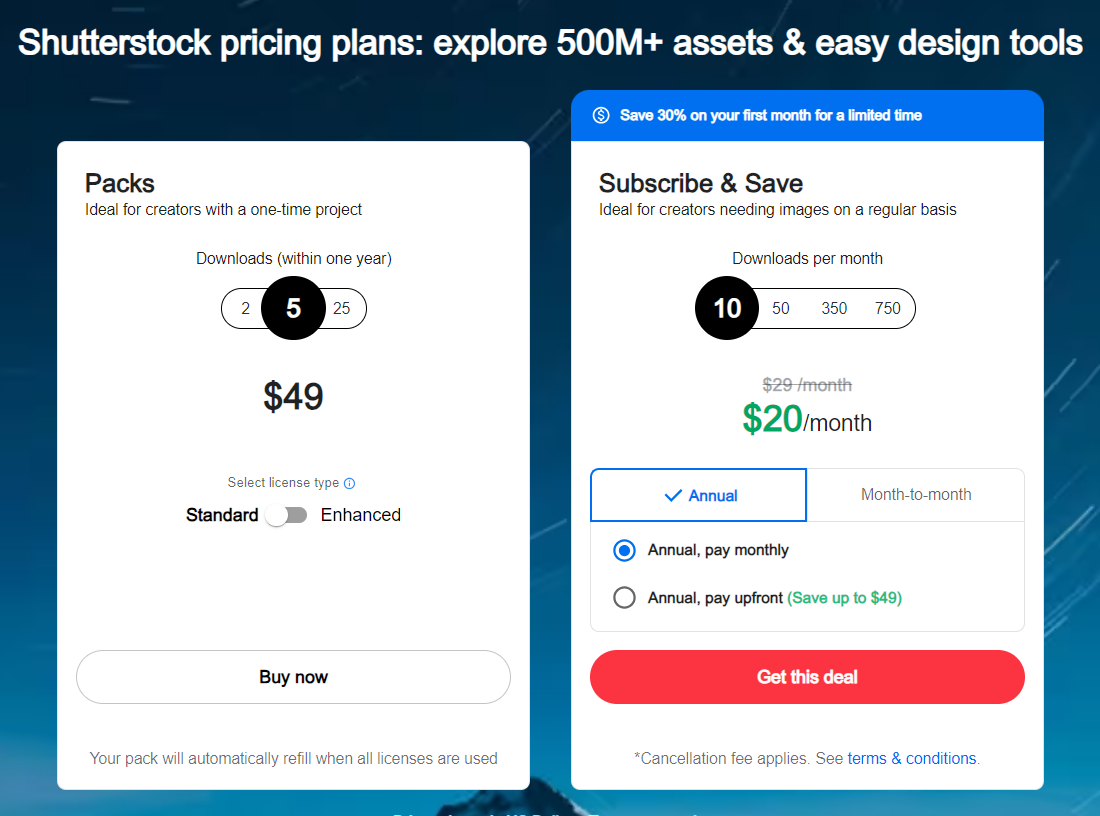
Shutterstock offers different plans to cater to various creative needs:

Basic

$49/month, 10 images

Standard

$129/month, 25 images

Premium

$299/month, 750 images

Business

$849/month, 5 users

Finding Legitimate Shutterstock Coupon Codes

Now, let’s get to the heart of the matter – how to find and use Shutterstock coupon codes:

  1. Official Promotions: Check Shutterstock’s official coupon page for current offers.
  2. Partner Websites: Look for authorized affiliates offering exclusive deals.
  3. Seasonal Sales: Keep an eye out for holiday discounts and special events.
  4. Newsletter Subscriptions: Sign up for Shutterstock’s newsletter for insider deals.

Applying Your Shutterstock Coupon

Once you’ve found a coupon, here’s how to use it:

Steps to Apply Shutterstock Coupon

  • Find a Coupon: Check official page, authorized affiliates, holiday discounts, or newsletter deals
  • Verify the Coupon: Ensure validity, check expiration date and terms
  • Apply the Coupon: Log in, navigate to subscription page, enter code, click “Apply”
  • Complete the Purchase: Review order, ensure discount applied, proceed to checkout

Maximizing Your Subscription

To get the most out of your Shutterstock subscription, consider these tips:


  • Explore Shutterstock’s diverse icon collections for your projects
  • Utilize Shutterstock’s editing tools to customize images
  • Download a variety of content types to get the most value

Budget-Friendly Alternatives

While Shutterstock offers excellent value, especially with coupons, it’s worth considering alternatives for comparison:

Stock Photo Platform Comparison

Shutterstock
Unsplash
Pexels
Getty Images

One notable alternative is the 99 Club, offering 200 downloads per year at a competitive price. However, Shutterstock’s vast library and frequent updates often justify its pricing, especially when using coupon codes.

Conclusion: Elevate Your Creativity with Smart Savings

Mastering the art of using Shutterstock coupon codes can significantly boost your creative potential without breaking the bank. By staying alert for deals, applying coupons correctly, and making the most of your subscription, you’ll access a world of premium visuals at unbeatable prices.

Remember to explore Shutterstock’s full range of offerings, from stunning stock photos to versatile vector graphics. With the right approach, you’ll find that quality and affordability can go hand in hand in the world of digital assets.

Start your journey to smarter stock photo shopping today, and watch your creative projects soar to new heights!

Filed Under: Blogging

Vector Icon AI: Everything You Need to Know

July 14, 2017 By Douglas Black

Vector icons are an absolute must. If you are building a website, you need to get them from your trusted provider. If you are working with a graphic designer and he won’t provide these, you should think twice before actually hiring that guy. First, let us define what a vector is. It is a file made up of lines that never get pixelated when you resize to whatever size. It could be in different formats, but we will talk about one – AI (Adobe Illustrator).

Adobe Illustrator is the most popular vector editing software in the market to date, and the .ai file is the rawest of raw. It contains the original lines in modifiable and controllable format. From this point, all other files are exported.

Uses of Vector Icon AI:

  • Designing
  • Exporting to higher quality files

Many agencies offer vector icons in .ai format. You just need to find one that suits your creative needs and budget. To choose one, check out their libraries and icon packages. Compare them with the number of icons you need, the theme and style of your website, and the amount of money you are willing to spend. Once you find the right icon source for your project, you can proceed with the design.

Haven’t found the right vector icon source? If you are still on the hunt for the best vector icon set out there, you might want to check IconTail. The website is backed by industry experts and boasts a large library of high quality vector icons. It offers icons in 7 different sizes and 11 file formats, including AI. All icons are also optimized for iOS, Android, website and applications. You don’t have to worry about compatibility issues down the road.

Equipped with the right license, you can use the icons in multiple projects. So, what are you waiting for? Browse through over 4100 line and filled icons in various theme and styles at IconTail.

Filed Under: Blogging, Icon Tagged With: Icons, Vector, Vector Icon

Recent Posts

  • The Sound of Your Brand: Choosing Royalty-Free Music for Podcast Intros and Outros
  • Getty Images Subscription: Unlock Premium Visual Content for Your Projects
  • Unlock Affordable Stock Photos: Promo Codes for Savings Up to 25% Off
  • 5 Best Shutterstock Promo Codes: Save Big on Premium Stock Images
  • 10 Must-Have Features for Stock Photo Sites: Find Your Perfect Images
  • How to Redeem Shutterstock Coupon Codes: Save Big on Stock Photos and Videos
  • Top 10 Stock Photo Websites: Find the Best Images for Your Projects
  • How to Sell Photos Online for Free
  • Unlock Savings: Master Shutterstock Coupon Codes Today
  • Dollar Photo Club Alternative: 99 Club Explained
  • Vector Icon AI: Everything You Need to Know

Categories

  • Blogging
  • Dollar Photo
  • Icon
  • stock photo

Tags

99 Club Dollar Photo Icons Stock Photos Vector Vector Icon

Copyright © 2026 · Buy Nature Images 3 2 1